Hey there! As a supplier of Stone Edge Polishers, I often get asked this question: "Can a Stone Edge Polisher polish curved edges?" Well, let's dive right into it and find out.
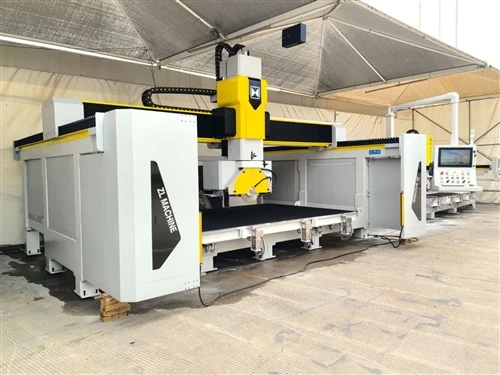
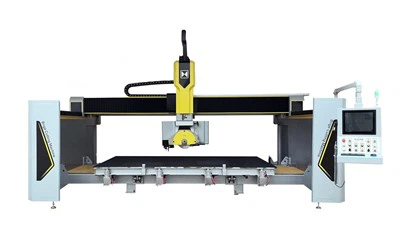
First off, let's understand what a Stone Edge Polisher is all about. These machines are designed to give stone edges that smooth, shiny finish we all love. They come in different types, each with its own set of features and capabilities. For example, we have the Stone Round Edge Grinding Machine, which is great for creating those rounded edges on stones. Then there's the Stone Chamfer Edge Polisher Machine, perfect for adding a beveled or chamfered look to the edges. And of course, the Horizontal Stone Edge Polishing Machine, which offers a horizontal polishing action.
Now, back to the question at hand: Can they polish curved edges? The short answer is yes, but it depends on a few factors.
The Design of the Polisher
Some Stone Edge Polishers are specifically designed to handle curved edges. These machines usually have flexible polishing heads or the ability to adjust the angle of the polishing mechanism. This flexibility allows them to conform to the curve of the stone edge and provide an even polish. For instance, if you're using a machine with a rotating polishing disc, it can be adjusted to follow the contour of the curve.
However, not all polishers are created equal. Some basic models might be more suitable for straight edges and have limited capabilities when it comes to curves. So, when you're in the market for a Stone Edge Polisher, it's important to look for one that explicitly mentions its ability to polish curved edges.
The Type of Stone
The type of stone you're working with also plays a role. Softer stones like marble or limestone are generally easier to polish on curved edges. They are more forgiving and less likely to chip or crack during the polishing process. On the other hand, harder stones like granite can be a bit more challenging. The abrasive nature of the polishing process might cause uneven wear on the curved edge if the machine isn't set up correctly.

The Complexity of the Curve
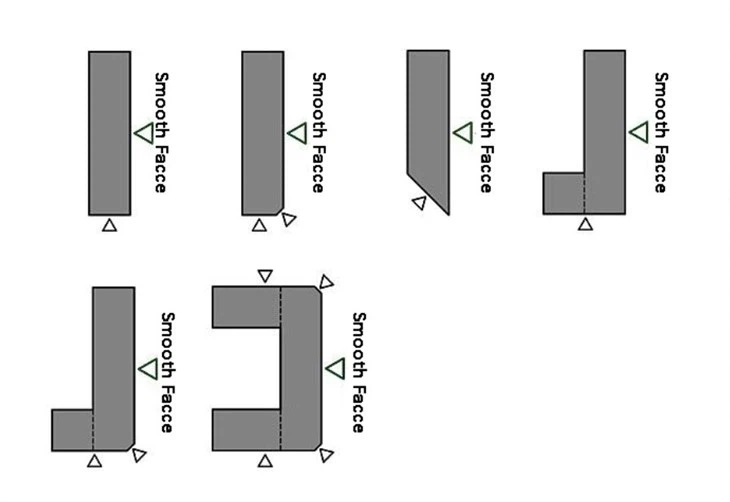
Simple curves, like gentle arcs, are usually easier to polish than complex, multi - dimensional curves. A Stone Edge Polisher can handle a basic curve with relative ease, as long as the machine has the right settings. But for more intricate curves, you might need a more advanced machine or some additional manual work.
Techniques for Polishing Curved Edges
If you're using a Stone Edge Polisher to polish curved edges, here are some tips to get the best results:
- Start with a rough grind: Before you start the polishing process, it's a good idea to use a coarse grinding wheel to shape the curve. This will help remove any large irregularities and give you a more even surface to work with.
- Use the right polishing pads: Different polishing pads are designed for different stages of the polishing process. Start with a coarse pad to remove any scratches from the grinding process, and then gradually move to finer pads for a smoother finish.
- Take your time: Polishing curved edges requires patience. Make sure to move the machine slowly and steadily along the curve to ensure an even polish.
Advantages of Using a Stone Edge Polisher for Curved Edges
There are several benefits to using a Stone Edge Polisher for curved edges:
- Consistency: A machine can provide a more consistent polish compared to manual methods. This is especially important if you're working on multiple stones with the same curve.
- Efficiency: Using a machine is generally faster than polishing by hand. You can cover more surface area in less time, which is great for large - scale projects.
- Professional finish: A well - polished curved edge can add a touch of elegance to any stone product. Whether it's a countertop, a fireplace surround, or a decorative piece, a polished curve can make a big difference in the overall appearance.
When to Consider Manual Polishing
While Stone Edge Polishers are great for most curved edge jobs, there are some situations where manual polishing might be necessary:
- Small or detailed areas: If you have a small, intricate curve or a hard - to - reach area, manual polishing might be the better option. You can have more control over the process and ensure a precise finish.
- Repairs: If there's a small chip or scratch on a curved edge, manual polishing can be used to blend the damaged area with the rest of the curve.
In conclusion, a Stone Edge Polisher can definitely polish curved edges, but it's important to choose the right machine, consider the type of stone, and use the proper techniques. Whether you're a professional stone fabricator or a DIY enthusiast, having a good understanding of how to polish curved edges can take your stone projects to the next level.
If you're interested in purchasing a Stone Edge Polisher for your curved edge projects, I'd love to have a chat with you. We have a wide range of machines that are suitable for various types of curves and stone materials. Just reach out, and we can discuss your specific needs and find the perfect machine for you.
References
- Stone Polishing Handbook: A Guide to Professional Stone Finishing
- Industry reports on Stone Edge Polishing Machines