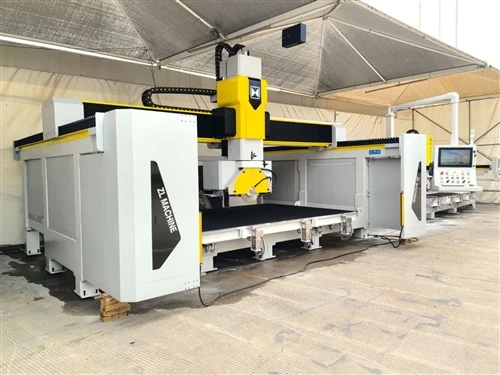
As a supplier of Granite Machines, ensuring the safety of operators while using our products is of paramount importance. Granite machines, such as Stone Cutting Machine Granite, Granite Cutting Table Saw, and Granite Machine Cutter, offer high - efficiency stone processing capabilities. However, without proper safety measures, these powerful tools can pose significant risks. In this blog, I will share some key methods to ensure the safety of operators when using granite machines.
1. Pre - operation Safety Checks
Machine Inspection
Before starting the granite machine, a thorough inspection of the equipment is essential. Check the physical condition of the machine, including the frame, power cable, and control panel. Ensure that there are no visible signs of damage, such as cracks, loose parts, or frayed wires. For example, a loose bolt on a Granite Machine Cutter could cause instability during operation, leading to potential safety hazards.
Tooling and Blade Inspection
Examine the cutting tools and blades. Inspect for any signs of wear, chipping, or dullness. A worn - out blade may not cut smoothly, which can result in kickbacks and the operator losing control of the machine. In addition, make sure the blades are properly installed and tightened. Improperly installed blades are more likely to detach during operation, endangering the operator.
Safety Devices Check
Verify that all safety devices on the granite machine are in place and functioning correctly. These safety devices may include emergency stop buttons, safety guards, and dust collection systems. The emergency stop button should be easily accessible and should immediately halt the machine's operation when pressed. Safety guards are designed to prevent the operator from coming into contact with moving parts, so they should be firmly attached and not damaged. The dust collection system helps reduce the inhalation of harmful granite dust, protecting the operator's respiratory health.
2. Personal Protective Equipment (PPE)
Eye Protection
Granite cutting and processing generate flying chips and debris that can cause serious eye injuries. Operators should always wear appropriate safety goggles. Goggles should be impact - resistant and fit snugly to prevent any particles from entering the eyes. For example, when using a Stone Cutting Machine Granite, the force of the cutting process can send small fragments of granite flying at high speeds, and safety goggles act as a barrier.
Respiratory Protection
Cutting granite produces a large amount of dust, which contains silica. Inhaling silica dust can lead to serious lung diseases, such as silicosis. Operators should wear respirators or dust masks that are specifically designed to filter out fine silica particles. The respirator should be properly fitted to ensure its effectiveness. Regularly check the filter and replace it as recommended by the manufacturer.
Hearing Protection
Granite machines can be quite noisy during operation. Prolonged exposure to high - level noise can cause hearing loss. Operators should wear earplugs or earmuffs to reduce the noise level. Make sure the hearing protection devices are comfortable to wear for long periods, especially during continuous operation of the machines.
Hand and Foot Protection
The use of granite machines involves handling sharp tools and the risk of heavy objects falling. Operators should wear cut - resistant gloves to protect their hands from cuts and abrasions. Steel - toed boots are also necessary to protect the feet from being crushed by falling granite pieces or heavy machine parts.
3. Operator Training
Technical Training
Provide comprehensive technical training to operators. They should have a good understanding of the machine's structure, working principle, and operating procedures. Training should cover how to start, stop, and adjust the machine parameters correctly. For example, operators need to know the appropriate cutting speed, feed rate, and pressure settings for different types and thicknesses of granite. This knowledge helps ensure efficient and safe operation.
Safety Training
Safety training is equally important. Teach operators about potential safety hazards associated with granite machines and how to avoid them. This includes training on the proper use of safety devices, emergency response procedures, and the importance of wearing PPE. Conduct regular safety drills to ensure that operators are prepared to respond quickly in case of an emergency.
Certification
Encourage operators to obtain relevant safety operation certificates. Certification programs usually involve in - depth training and examinations, which can enhance operators' professional knowledge and safety awareness. Having certified operators also reflects the high - standard safety management of the enterprise.
4. Operating Environment Management
Workspace Organization
Keep the workspace clean and organized. Clear any clutter, tools, or debris from the machine area. A clean workspace reduces the risk of tripping and allows the operator to move freely around the machine. Ensure there is enough space for the operator to operate the machine safely without being restricted.
Lighting
Good lighting is crucial for safe operation. Install adequate lighting in the workspace to ensure that the operator can clearly see the cutting area and the machine controls. Poor lighting can lead to mistakes in operation and increase the risk of accidents. For example, if the operator cannot clearly see the position of the blade on a Granite Cutting Table Saw, they may make inaccurate cuts or accidentally touch the blade.
Ventilation
Proper ventilation is essential to remove the dust and fumes generated during granite processing. Install ventilation systems that can effectively extract the dust from the work area. This not only protects the operator's health but also reduces the accumulation of dust on the machine, which can affect its performance and lifespan.
5. Regular Maintenance and Calibration
Maintenance Schedule
Establish a regular maintenance schedule for the granite machines. Regular maintenance helps identify and fix potential problems before they become serious safety hazards. Maintenance tasks may include lubricating moving parts, checking electrical connections, and cleaning the dust collection system. For example, if the lubrication of the machine's bearings is not maintained regularly, it can cause overheating and mechanical failure.
Calibration
Periodically calibrate the granite machines to ensure their accuracy and stability. Calibration is important for achieving precise cutting results and preventing the machine from malfunctioning. Incorrect calibration can lead to uneven cuts, which may cause the machine to vibrate abnormally and pose a safety risk to the operator.
Record - keeping
Keep detailed records of all maintenance and calibration activities. These records can help track the machine's maintenance history, identify any recurring problems, and ensure that the maintenance schedule is followed consistently.
6. Emergency Response Planning
Emergency Procedures
Develop clear and concise emergency response procedures. These procedures should cover what to do in case of various emergencies, such as machine malfunctions, fires, or injuries. Post the emergency procedures in a prominent location in the workspace, and ensure that all operators are familiar with them.
First - aid Equipment
Provide first - aid equipment in the workspace. The first - aid kit should be well - stocked and easily accessible. Train operators on basic first - aid skills so that they can provide immediate assistance in case of an injury.
Fire Safety
Install fire - fighting equipment, such as fire extinguishers, in the workspace. Make sure operators know how to use the fire - fighting equipment correctly. Conduct regular fire drills to ensure that operators can evacuate the workspace safely in case of a fire.
Conclusion
Ensuring the safety of operators when using granite machines is a comprehensive task that requires attention to every aspect, from pre - operation checks and PPE to operator training, operating environment management, and emergency response planning. As a granite machine supplier, we are committed to providing high - quality products and also offer support and guidance on safety measures. If you are interested in our Stone Cutting Machine Granite, Granite Cutting Table Saw, Granite Machine Cutter or other products, and want to discuss procurement, please feel free to contact us. We look forward to working with you to achieve efficient and safe granite processing.


References
- Occupational Safety and Health Administration (OSHA) guidelines on industrial machine safety.
- Manufacturer's manuals for granite machines.
- Industry - specific safety research and reports.