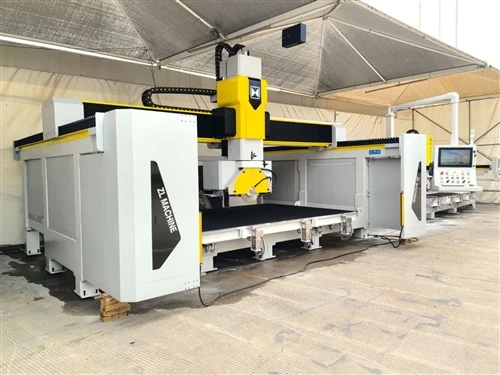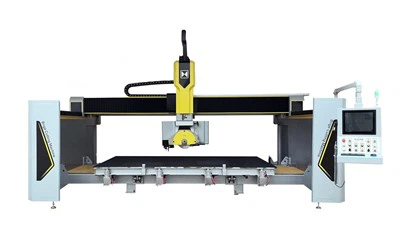
Optimizing the cutting parameters of a Block 5 Axis Machine is crucial for achieving high-quality cuts, improving efficiency, and reducing costs. As a supplier of Block 5 Axis Machine, I have witnessed firsthand the impact that proper parameter optimization can have on the performance of these machines. In this blog post, I will share some insights and best practices on how to optimize the cutting parameters of a Block 5 Axis Machine.
Understanding the Basics of Cutting Parameters
Before diving into the optimization process, it is essential to understand the basic cutting parameters that affect the performance of a Block 5 Axis Machine. These parameters include:
- Cutting Speed: The speed at which the cutting tool moves relative to the workpiece. It is typically measured in surface feet per minute (SFM) or meters per minute (m/min).
- Feed Rate: The rate at which the workpiece moves past the cutting tool. It is usually expressed in inches per revolution (IPR) or millimeters per revolution (mm/r).
- Depth of Cut: The distance that the cutting tool penetrates into the workpiece during each pass. It is measured in inches or millimeters.
- Spindle Speed: The rotational speed of the cutting tool. It is measured in revolutions per minute (RPM).
These parameters are interdependent, and changing one parameter can affect the others. For example, increasing the cutting speed may require a corresponding increase in the feed rate to maintain a consistent chip load. Therefore, it is crucial to optimize these parameters as a system to achieve the best results.
Factors Affecting Cutting Parameters
Several factors can influence the optimal cutting parameters for a Block 5 Axis Machine. These factors include:
- Workpiece Material: Different materials have different properties, such as hardness, toughness, and thermal conductivity, which can affect the cutting process. For example, cutting a hard material like granite may require lower cutting speeds and higher feed rates compared to cutting a softer material like marble.
- Cutting Tool Material and Geometry: The material and geometry of the cutting tool can also have a significant impact on the cutting parameters. For example, a carbide cutting tool may allow for higher cutting speeds and feeds compared to a high-speed steel tool. Additionally, the shape and size of the cutting tool can affect the chip formation and removal, which can impact the cutting performance.
- Machine Capabilities: The capabilities of the Block 5 Axis Machine, such as its power, torque, and rigidity, can limit the range of cutting parameters that can be used. For example, a machine with a lower power rating may not be able to handle high cutting speeds and feeds.
- Cutting Conditions: The cutting conditions, such as the type of coolant used, the presence of vibrations, and the quality of the workpiece surface, can also affect the cutting parameters. For example, using a coolant can help to reduce the temperature and friction during the cutting process, which can allow for higher cutting speeds and feeds.
Steps to Optimize Cutting Parameters
Optimizing the cutting parameters of a Block 5 Axis Machine involves a systematic approach that takes into account the factors mentioned above. Here are the steps to follow:
Step 1: Select the Right Cutting Tool
The first step in optimizing the cutting parameters is to select the right cutting tool for the job. Consider the workpiece material, the desired surface finish, and the cutting operations to be performed. Choose a cutting tool with the appropriate material, geometry, and coating to ensure optimal performance.
Step 2: Determine the Initial Cutting Parameters
Based on the workpiece material, cutting tool, and machine capabilities, determine the initial cutting parameters. You can refer to the cutting tool manufacturer's recommendations or use online cutting parameter calculators to get a starting point.
Step 3: Conduct a Test Cut
Once you have determined the initial cutting parameters, conduct a test cut on a sample workpiece. Monitor the cutting process closely and observe the following:
- Chip Formation: The shape, size, and color of the chips can provide valuable information about the cutting process. Ideal chips should be long, continuous, and have a consistent color.
- Surface Finish: The surface finish of the workpiece can indicate the quality of the cut. A smooth and uniform surface finish is desirable.
- Cutting Forces: Excessive cutting forces can cause tool wear, machine damage, and poor surface finish. Monitor the cutting forces using a dynamometer or by observing the machine's power consumption.
- Tool Wear: Check the cutting tool for signs of wear, such as chipping, flaking, or dulling. Excessive tool wear can affect the cutting performance and surface finish.
Step 4: Analyze the Results
After the test cut, analyze the results to determine if the cutting parameters need to be adjusted. If the chips are short, discontinuous, or have an abnormal color, it may indicate that the cutting speed or feed rate is too high or too low. If the surface finish is rough or uneven, it may be necessary to adjust the cutting parameters or the cutting tool. If the cutting forces are excessive, it may be necessary to reduce the cutting speed or feed rate.
Step 5: Make Adjustments
Based on the analysis of the test cut results, make adjustments to the cutting parameters. Start by making small changes to one parameter at a time and conduct another test cut to evaluate the effect of the change. Repeat this process until you achieve the desired cutting performance and surface finish.
Step 6: Document the Optimal Cutting Parameters
Once you have optimized the cutting parameters, document them for future reference. This will help you to reproduce the same cutting conditions and achieve consistent results.
Tips for Optimizing Cutting Parameters
Here are some additional tips to help you optimize the cutting parameters of a Block 5 Axis Machine:
- Use a Coolant: Using a coolant can help to reduce the temperature and friction during the cutting process, which can improve the cutting performance and tool life. Choose a coolant that is compatible with the workpiece material and the cutting tool.
- Maintain the Machine: Regularly maintain the Block 5 Axis Machine to ensure its optimal performance. This includes cleaning the machine, lubricating the moving parts, and checking the alignment and calibration.
- Monitor the Cutting Process: Continuously monitor the cutting process to detect any issues or changes in the cutting conditions. This will allow you to make timely adjustments to the cutting parameters and prevent tool wear and damage.
- Train the Operators: Provide proper training to the operators on how to use the Block 5 Axis Machine and optimize the cutting parameters. This will ensure that they are able to operate the machine safely and efficiently and achieve the best results.
Conclusion
Optimizing the cutting parameters of a Block 5 Axis Machine is a critical step in achieving high-quality cuts, improving efficiency, and reducing costs. By understanding the basic cutting parameters, considering the factors that affect them, and following a systematic approach to optimization, you can ensure the optimal performance of your machine. Remember to select the right cutting tool, determine the initial cutting parameters, conduct test cuts, analyze the results, make adjustments, and document the optimal parameters. Additionally, follow the tips mentioned above to further improve the cutting performance and tool life.


If you are in the market for a Block 5 Axis Machine, Block Profiling Machine, or Block CNC Machine, and would like to learn more about how we can help you optimize your cutting processes, please feel free to reach out to us. We are here to assist you in making the right choice for your specific needs and to provide you with the support and expertise you need to succeed.
References
- "Machining Handbook," Industrial Press Inc.
- "Cutting Tool Engineering," SME International.
- Various technical documentation from cutting tool manufacturers.