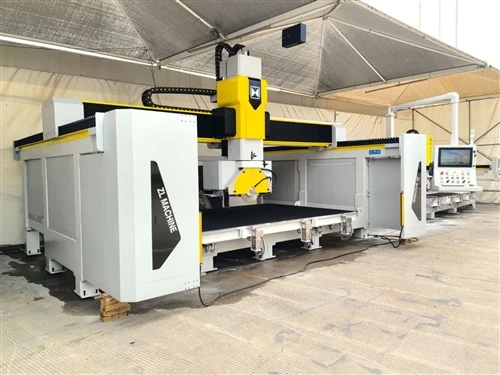
Hey there, folks! I'm a supplier of Quartz Saw Blades, and today I wanna chat about what the cutting force required for a quartz saw blade actually is. This is super important for all of us in the stone - cutting industry, whether you're a professional cutter or just someone who's curious about how these things work.
Let's start by getting a basic understanding of quartz. Quartz is a hard and tough material. It's one of the most common minerals on Earth, and it's often used in countertops, flooring, and a whole bunch of other applications. Because of its hardness, cutting quartz is no walk in the park. You need the right tools, and that's where our quartz saw blades come in.
The cutting force needed for a quartz saw blade depends on a bunch of different factors. First up, we've got the hardness of the quartz itself. Different types of quartz have different hardness levels. Quartz that has more impurities or a different crystal structure might be a bit softer or harder to cut. The Mohs scale is a handy way to measure mineral hardness. Quartz ranks 7 on the Mohs scale, which means it's pretty darn hard. So, you need a saw blade that can handle this level of hardness, and it also requires a significant amount of cutting force.
Another factor is the thickness of the quartz piece you're cutting. If you're cutting a thin slice of quartz, say for a small decorative piece, the cutting force required will be less compared to cutting a thick slab for a large countertop. A thicker piece of quartz means more material for the saw blade to get through, so you need more force to push the blade through smoothly.
The type of cut also matters. If you're making a straight - line cut, it's usually a bit easier than making a curved or complex cut. A straight cut allows the saw blade to move through the quartz in a more predictable way, while a curved cut requires the blade to change direction constantly. This change in direction puts more stress on the blade and requires more cutting force to keep the blade moving through the material.
Now, let's talk about the saw blade itself. The design and quality of the saw blade play a huge role in determining the required cutting force. Our quartz saw blades are specially designed to handle the hardness of quartz. They have super - sharp diamond segments. Diamonds are the hardest material known to man, and they're perfect for cutting through quartz. The shape of the diamond segments, the way they're arranged on the blade, and the bond that holds them in place all affect how well the blade cuts and how much force is needed.


A well - designed blade with the right diamond concentration and bond will require less cutting force compared to a cheaply made blade. A good blade can cut through the quartz more efficiently, which means you don't have to push as hard. It's all about reducing friction and making the cutting process as smooth as possible.
When it comes to the equipment used with the saw blade, the power of the saw motor is crucial. A more powerful motor can generate more cutting force. If you're using a small, underpowered saw, it'll struggle to cut through thick quartz, no matter how good the saw blade is. That's why we always recommend using the right saw equipment that can match the requirements of the cutting task.
So, how do you calculate the cutting force? Well, there isn't a one - size - fits - all formula because of all the different factors we've talked about. But in general, you can start by looking at the power of your saw motor and the specifications of the saw blade. The manufacturer of the saw blade usually provides some guidelines on the recommended cutting conditions, including the type of saw and the approximate cutting force needed for different thicknesses and hardness levels of quartz.
If you're cutting a lot of quartz on a regular basis, it's worth investing in high - quality equipment and saw blades. Our quartz saw blades are made with the best materials and the latest technology to ensure that you get the most efficient cutting performance with the least amount of force. And if you're someone who only cuts quartz occasionally, it's still important to use the right blade to avoid damaging the material or the saw.
Now, I know you might be thinking about other types of saw blades. For example, if you're working with marble, you might be interested in Marble Saw Blade. Marble is a softer material than quartz, so the cutting force required for a marble saw blade is usually less. But even so, it's important to choose the right blade for the job to get a clean and precise cut.
Similarly, Granite Saw Blade is used for cutting granite, which is also a hard material, although it has a different structure compared to quartz. Granite saw blades are designed to handle the unique properties of granite, and the cutting force needed will depend on factors like the hardness and thickness of the granite, just like with quartz.
We also have Sintered Saw Blade. Sintered saw blades are used in a variety of stone - cutting applications. They're made through a special manufacturing process that makes the blade very durable and efficient. The cutting force required for a sintered saw blade will vary depending on the material you're cutting and the specific design of the blade.
If you're in the market for a high - quality quartz saw blade or any of our other saw blades, we'd love to chat with you. We've got a team of experts who can help you choose the right blade for your specific needs. Whether you're a small - scale DIYer or a large - scale stone - cutting business, we're here to support you. Just reach out to us for a friendly chat about your requirements, and let's see how we can work together to make your stone - cutting projects a success.
References
- Mineralogy Handbook, various editions
- Stone Cutting Equipment Manufacturer's Guides
- Industry Research Papers on Stone Cutting Technology