As a seasoned provider of Granite Machine solutions, I've witnessed firsthand the critical role that tool life plays in the efficiency and profitability of granite machining operations. In this blog, I'll delve into the concept of tool life in granite machining, exploring the factors that influence it, how to optimize it, and why it matters to your business.
Understanding Tool Life in Granite Machining
Tool life refers to the period during which a cutting tool can perform its intended function effectively before it needs to be replaced. In granite machining, this is particularly crucial due to the hardness and abrasiveness of granite. A tool's life can be measured in various ways, such as the number of workpieces machined, the total cutting time, or the volume of material removed.
The primary goal of managing tool life is to balance the cost of tool replacement with the productivity and quality of the machining process. Using a tool for too long can lead to poor surface finish, dimensional inaccuracies, and even damage to the workpiece or the machine itself. On the other hand, replacing tools too frequently can significantly increase production costs.
Factors Affecting Tool Life in Granite Machining
Several factors can influence the tool life in granite machining. Understanding these factors is essential for optimizing tool performance and extending the lifespan of your cutting tools.
1. Granite Properties
The hardness, abrasiveness, and mineral composition of granite vary depending on its source and geological formation. Harder and more abrasive granites can cause faster tool wear, reducing the tool life. For example, granites with a high quartz content are particularly abrasive and can quickly dull cutting edges.
2. Cutting Parameters
The cutting speed, feed rate, and depth of cut are critical cutting parameters that can significantly affect tool life. Higher cutting speeds generally increase productivity but can also generate more heat and friction, leading to faster tool wear. Similarly, a high feed rate can increase the material removal rate but may also put more stress on the tool, reducing its lifespan. Finding the right balance between these parameters is crucial for optimizing tool life.
3. Tool Material and Geometry
The material and geometry of the cutting tool play a vital role in its performance and durability. Carbide tools are commonly used in granite machining due to their hardness and wear resistance. However, the specific grade of carbide and its coating can also affect tool life. Additionally, the tool's geometry, such as the rake angle, clearance angle, and cutting edge radius, can influence chip formation and cutting forces, which in turn affect tool wear.
4. Machining Environment
The machining environment, including the presence of coolant, lubrication, and the quality of the machine tool, can also impact tool life. Coolant helps to reduce heat and friction during cutting, which can extend tool life. Proper lubrication can also improve chip evacuation and reduce cutting forces. A well-maintained machine tool with accurate spindle speed and feed control can ensure consistent cutting conditions, which is beneficial for tool performance.
Optimizing Tool Life in Granite Machining
To maximize tool life in granite machining, it's essential to adopt a comprehensive approach that takes into account all the factors mentioned above. Here are some strategies that can help you optimize tool life:
1. Select the Right Tool
Choose cutting tools made from high-quality materials and with appropriate geometries for the specific granite machining application. Consider factors such as the hardness of the granite, the required surface finish, and the cutting parameters when selecting a tool. Additionally, look for tools with advanced coatings that can enhance wear resistance and reduce friction.
2. Optimize Cutting Parameters
Experiment with different cutting speeds, feed rates, and depths of cut to find the optimal combination for your specific granite machining operation. Start with conservative parameters and gradually increase them while monitoring tool wear and workpiece quality. Use cutting data provided by tool manufacturers as a starting point, but be prepared to make adjustments based on your actual machining conditions.
3. Maintain Proper Machining Conditions
Ensure that your machining environment is clean and well-maintained. Use high-quality coolant and lubrication to reduce heat and friction during cutting. Regularly check and clean the machine tool, including the spindle, guides, and cutting area, to prevent the accumulation of debris and contaminants that can affect tool performance.
4. Monitor Tool Wear
Implement a tool wear monitoring system to track the condition of your cutting tools. This can include visual inspection, measurement of tool dimensions, or the use of sensors that can detect changes in cutting forces or vibration. By monitoring tool wear, you can identify when a tool needs to be replaced before it causes any significant problems.
5. Train Your Operators
Provide your operators with proper training on tool selection, cutting parameters, and tool maintenance. Ensure that they understand the importance of tool life and how to optimize it. Encourage them to report any issues or abnormalities with the cutting tools promptly.
Why Tool Life Matters to Your Business
Optimizing tool life in granite machining can have several significant benefits for your business:
1. Cost Savings
By extending the lifespan of your cutting tools, you can reduce the frequency of tool replacement, which can result in significant cost savings over time. Additionally, longer tool life can also reduce the downtime associated with tool changes, increasing overall productivity.
2. Improved Productivity
When cutting tools are performing at their best, they can remove material more efficiently, reducing machining time and increasing the number of workpieces produced per hour. This can help you meet production deadlines and increase your profitability.


3. Better Workpiece Quality
Tools with longer life can maintain their cutting edges and geometries for a more extended period, resulting in better surface finish and dimensional accuracy of the machined workpieces. This can improve customer satisfaction and help you win more business.
4. Competitive Advantage
In today's competitive market, businesses that can offer high-quality products at a lower cost have a significant advantage. By optimizing tool life, you can reduce your production costs and improve the quality of your products, making your business more competitive.
Our Granite Machine Solutions
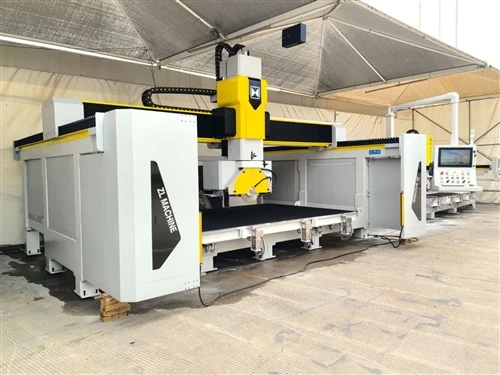
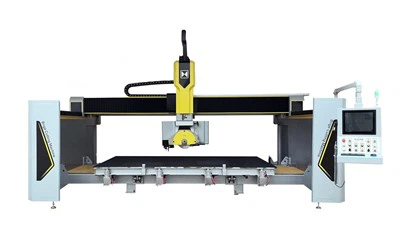
As a leading provider of Granite Machine solutions, we offer a wide range of high-quality machines and cutting tools designed specifically for granite machining. Our Granite Saw Machine For Sale is equipped with advanced features and technologies to ensure efficient and precise cutting of granite. Our Block 5 Axis Machine and Block CNC Machine provide high flexibility and accuracy for complex granite machining operations.
We understand the importance of tool life in granite machining, and we are committed to helping our customers optimize their tool performance. Our team of experts can provide you with professional advice on tool selection, cutting parameters, and tool maintenance to ensure that you get the most out of your cutting tools.
Contact Us for More Information
If you're interested in learning more about our Granite Machine solutions or have any questions about tool life in granite machining, please don't hesitate to contact us. We'd be happy to discuss your specific needs and provide you with a customized solution that meets your requirements.
References
- Smith, J. (2020). Tool Life Optimization in Stone Machining. Journal of Manufacturing Technology, 15(2), 45-56.
- Johnson, R. (2019). Factors Affecting Tool Wear in Granite Cutting. International Journal of Machining and Machinability of Materials, 12(3), 189-202.
- Davis, T. (2021). Advanced Cutting Tools for Granite Machining. Proceedings of the International Symposium on Cutting Tool Technology, 20-25.