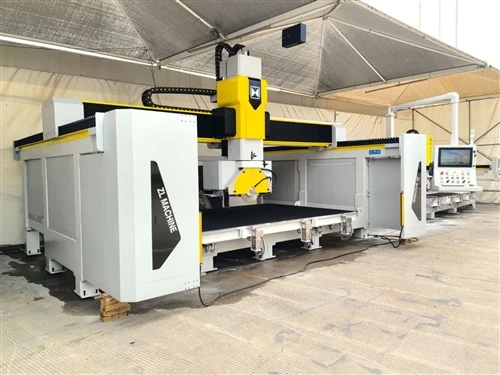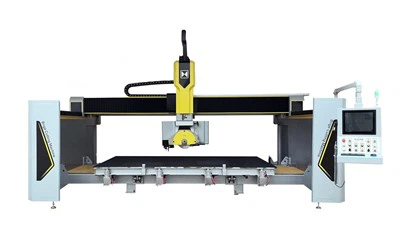
Hey there! I'm a supplier of CNC granite machines, and today I wanna chat about how to adjust the cutting parameters in a CNC granite machine. It's a crucial topic for anyone working with these machines, whether you're a seasoned pro or just starting out.
First off, let's understand why adjusting cutting parameters is so important. In a CNC granite machine, the right parameters can make a huge difference in the quality of the cut, the efficiency of the process, and the lifespan of the machine and its tools. If the parameters are off, you might end up with a poor - quality cut, excessive tool wear, or even damage to the machine itself.
Factors Affecting Cutting Parameters
There are several factors that we need to consider when adjusting the cutting parameters in a CNC granite machine.
1. Granite Properties
Granite is a natural stone, and its properties can vary significantly. The hardness, density, and grain structure of granite all play a role in determining the cutting parameters. For example, harder granite will require slower cutting speeds and higher feed rates compared to softer granite. A denser granite might also need more powerful cutting forces.
2. Tool Type and Condition
The type of cutting tool you're using is another critical factor. Different tools, like diamond - tipped blades or routers, have different optimal cutting parameters. Also, the condition of the tool matters. A worn - out tool will need different settings than a brand - new one. As the tool wears, you might need to increase the cutting speed or adjust the feed rate to maintain the same quality of cut.
3. Machine Capabilities
Each CNC granite machine has its own set of capabilities. The power of the spindle, the maximum feed rate, and the accuracy of the motion control system all limit the possible cutting parameters. You need to make sure that the parameters you choose are within the machine's capabilities to avoid overloading the machine and causing damage.
Adjusting Cutting Speed
The cutting speed is the speed at which the cutting tool moves relative to the granite. It's usually measured in surface feet per minute (SFM) or meters per minute (m/min).
How to Determine the Right Cutting Speed
To find the right cutting speed for your granite, you can start with the manufacturer's recommendations for the tool you're using. These recommendations are often based on the type of granite and the tool material. However, you'll likely need to make some adjustments based on your specific situation.
If the cutting speed is too low, the tool might rub against the granite instead of cutting it cleanly. This can lead to excessive heat generation, which can damage the tool and cause a poor - quality cut. On the other hand, if the cutting speed is too high, the tool might wear out quickly, and there's a risk of chipping or cracking the granite.
For example, when using a diamond - tipped blade on medium - hardness granite, a good starting point for the cutting speed might be around 30 - 50 SFM. You can then test the cut and make small adjustments up or down based on the quality of the cut and the tool wear.
Adjusting Feed Rate
The feed rate is the speed at which the granite is fed into the cutting tool. It's usually measured in inches per minute (IPM) or millimeters per minute (mm/min).
Finding the Optimal Feed Rate
The feed rate depends on the cutting speed, the type of tool, and the granite properties. A general rule of thumb is that for a given cutting speed, a higher feed rate can be used with a larger - diameter tool.
If the feed rate is too low, the tool will spend too much time in contact with the granite, which can cause overheating and excessive tool wear. If the feed rate is too high, the tool might not be able to cut through the granite properly, resulting in a rough cut or even damage to the tool.
Let's say you're using a router to cut a detailed pattern in granite. You might start with a feed rate of around 5 - 10 IPM and then adjust it based on how the router is performing. If the router is struggling to keep up, you might need to reduce the feed rate. If the cut is too slow and the tool is getting too hot, you can try increasing the feed rate.
Adjusting Depth of Cut
The depth of cut is the thickness of the material that the tool removes in a single pass. It's an important parameter that affects both the quality of the cut and the tool life.
Determining the Right Depth of Cut
The depth of cut depends on the tool's strength, the machine's power, and the granite's hardness. A deeper depth of cut can increase the efficiency of the cutting process, but it also puts more stress on the tool and the machine.
For most CNC granite machines, a good starting point for the depth of cut when using a diamond - tipped blade might be around 1/8 - 1/4 inch. If you increase the depth of cut too much, the tool might break or the machine might stall. You can gradually increase the depth of cut as you gain more experience and as you're sure that the machine and the tool can handle it.
Testing and Fine - Tuning
Once you've set the initial cutting parameters, it's time to do some testing. Make a small test cut on a scrap piece of granite and examine the results. Look at the quality of the cut, the tool wear, and the amount of heat generated.
If the cut is rough, you might need to adjust the cutting speed or the feed rate. If the tool is wearing out too quickly, you might need to reduce the cutting speed or increase the feed rate. Keep making small adjustments and testing until you achieve the best possible results.
Our CNC Granite Machines
As a supplier of CNC granite machines, we offer a range of high - quality machines, including the Granite Cutting CNC Machine, Granite Bridge Cutting Machine, and Headstone Engraving Machine. These machines are designed to provide precise and efficient cutting, and they come with user - friendly controls that make it easier to adjust the cutting parameters.
If you're looking to improve your granite cutting process or are in the market for a new CNC granite machine, we're here to help. Our team of experts can provide you with guidance on choosing the right machine and adjusting the cutting parameters for your specific needs.


Conclusion
Adjusting the cutting parameters in a CNC granite machine is a skill that takes time and practice to master. By considering factors like granite properties, tool type, and machine capabilities, and by testing and fine - tuning the parameters, you can achieve high - quality cuts and extend the lifespan of your tools and machine.
If you have any questions or are interested in our CNC granite machines, don't hesitate to reach out. We're always happy to have a chat and help you take your granite cutting to the next level.
References
- Woodworking and Stone Cutting Machinery Handbook
- Industry - specific research papers on CNC machining of granite